Resources

Resources

Why You Should Never File a Storm Damage Claim Alone: Get the Full Value of Your Insurance Claim

That first estimate from your insurance company might look official — but chances are, it doesn’t cover everything. Even worse, you may not realize what’s been missed until it’s too late. After a storm hits your home, your first instinct is often to call your insurance company and get the process started. But what most homeowners don’t realize is this: insurance companies have adjusters working for them, not for you. Their job is to protect the insurer’s bottom line, not to make sure you get every dollar you deserve. At Deskar 6, we help homeowners navigate storm and roof damage insurance claims the right way.We start with a free inspection, then handle every step of the process to make sure you don’t get underpaid or denied. Why You Shouldn’t Go It Alone Most homeowners assume their insurance company will “take care of it.” But remember, insurance companies are businesses. Their goal is to pay out as little as possible. Without a public adjuster on your side, you’re relying on their numbers, their timeline, and their process. That’s not a great position to be in, especially when it comes to hidden issues like: Structural roof damage Interior water leaks Mold or insulation problems These are easy to overlook but costly to fix later. What a Public Adjuster Actually Does A public adjuster like Deskar 6 is licensed to represent you, the policyholder. We inspect your property in detail, document damage using industry-standard software, review your policy to ensure every eligible repair is included, and handle all communication and negotiation with the insurance company. Our job is simple: make sure you’re paid fairly, and fully. What You Could Be Missing We’ve seen too many homeowners accept the first offer from their insurance company, only to find out later that it won’t come close to covering roof repairs, siding, windows, gutters, or internal water damage. By then, it’s often too late to reopen the claim. Let us help you before you sign anything. No Cost to the Homeowner. The Contractor Pays for Our Services. Here’s the best part. We don’t get paid unless you do. Our inspections are 100% free, and our fee is a small percentage of your final settlement. In most cases, we recover far more than homeowners get on their own. Give us a call at 414-414-7470 or fill our our Free Insurance Claim Audit to get started.

Resources

What Is a Public Adjuster and Why Do You Need One?

If you’ve never dealt with major property damage before, you may not know what a public adjuster is — or why it matters to have one on your side. Let’s break it down. Insurance Adjuster vs. Public Adjuster When you file a claim, your insurance company sends out an adjuster to inspect the damage. That person works for them, not you. Their goal? To minimize the payout. A public adjuster, on the other hand, is licensed to represent the policyholder — you. We’re the ones making sure your damage is fully documented, your policy is properly interpreted, and your settlement reflects the real cost of repair. What We Actually Do At Deskar 6, we help homeowners who’ve experienced storm, water, or fire damage. Here’s how: We inspect your entire property — not just the roof We write a full estimate of repairs using the same tools the insurance company uses We communicate with the insurer on your behalf We fight to maximize your payout Most importantly, we do this at no upfront cost to you. Why Most Homeowners Don’t Know This Public adjusters aren’t advertised by your insurer — because they don’t want you to hire one. Many homeowners don’t learn about us until it’s too late. By then, the claim has already been settled — and they’ve left thousands on the table. Our Promise We work only for homeowners. We don’t cut corners, and we don’t get paid unless you do. If you’ve had damage, or are unsure what your policy covers, we’re here to help you understand your options — before you sign anything. Give us a call at 414-414-7470 or fill our our Free Insurance Claim Audit to get started.

Resources

5 Mistakes Homeowners Make With Roof Insurance Claims

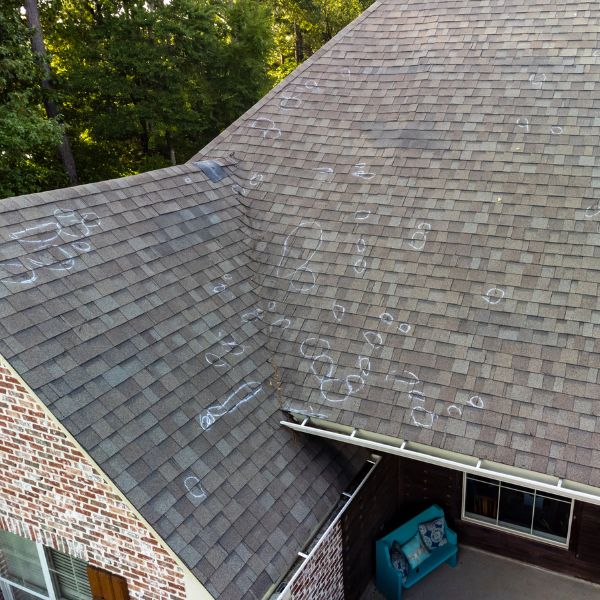
After a storm, one of the first areas to suffer damage is your roof. Unfortunately, roof insurance claims are often overlooked or mishandled, leaving homeowners underpaid or denied altogether. Understanding how to handle a roof damage insurance claim can make the difference between full repair coverage and costly out-of-pocket expenses. Here are five common mistakes we see — and how to avoid them when filing roof insurance claims after storm damage. 1. Not Getting a Second Opinion with a Public Insurance Adjuster Insurance adjusters often do a quick visual check, but they may miss hidden roof damage caused by hail, wind, or heavy rain. Always get a second opinion — ideally from a licensed public adjuster who specializes in roof insurance claims and works solely for homeowners, not insurance companies. 2. Accepting the First Offer It’s tempting to take the first settlement from your insurer and move on. But in many roof insurance claims, the first offer is far below what your policy allows. Once you accept it, reopening your roof damage insurance claim can be difficult. A public adjuster ensures you receive the fair compensation your roof repair or replacement truly deserves. 3. Letting a Contractor Handle the Claim Some roofing contractors say they can “work with your insurance,” but they aren’t legally allowed to negotiate roof insurance claims. That’s where public adjusters come in — we handle the documentation, negotiation, and communication to make sure your storm damage roof claim is properly represented. 4. Waiting Too Long to File a Claim Delaying your roof insurance claim can cost you coverage. Most policies have strict filing deadlines, and waiting too long may give insurers a reason to deny your storm damage claim. Acting fast after roof damage protects your eligibility and prevents further structural deterioration. 5. Not Understanding the Policy Many homeowners don’t fully understand how roof insurance claims work — what’s covered, what’s excluded, or how deductibles apply. We take the time to review your policy and explain every clause so you don’t leave money on the table when filing a roof damage insurance claim. Let Us Handle the Hard Part At Deskar 6, we help homeowners navigate complex roof insurance claims after storms. Whether your roof suffered hail damage, leaks, or wind impact, our licensed public adjusters fight to secure full replacements and fair repair settlements. No guesswork. No games. Just advocacy, experience, and results for your roof insurance claim. Give us a call at 414-414-7470 or fill our our Free Insurance Claim Audit to get started.

Resources

How a Public Adjuster Can Maximize Your Insurance Payout

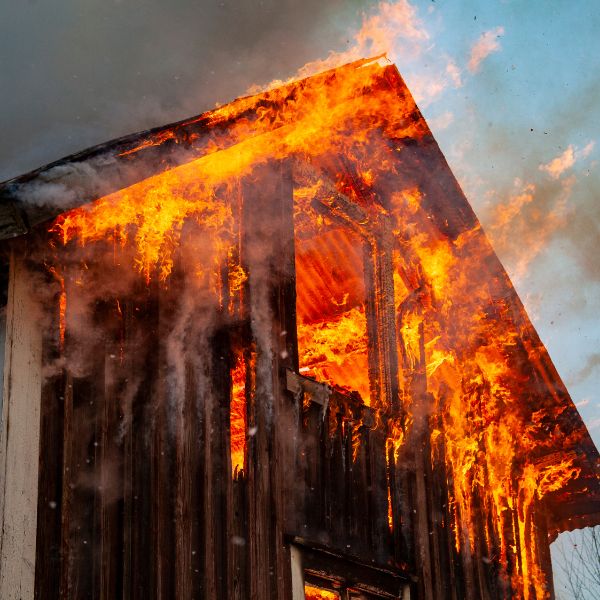
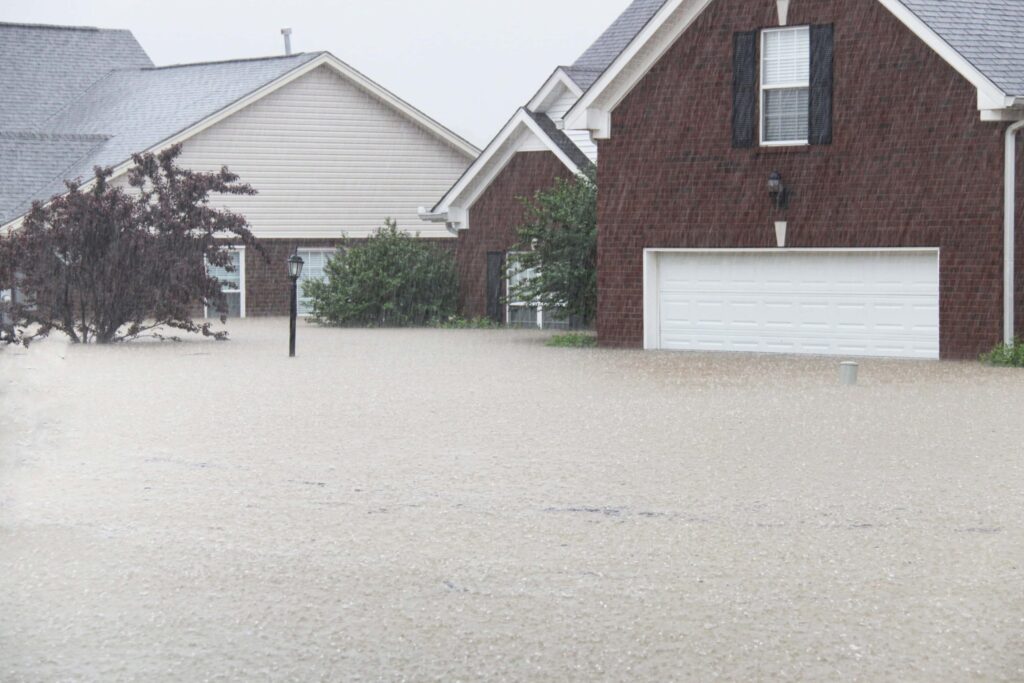
Property damage from a storm, fire, flood, or other disaster is stressful enough. On top of that, the insurance claims process often feels overwhelming, confusing, and frustrating. Many homeowners and business owners trust their insurance company to handle claims fairly. But the truth is simple: insurance companies are businesses, and they work hard to minimize payouts. That’s why having a public adjuster on your side makes all the difference. What is a Public Adjuster? A public adjuster is a licensed professional who represents you, not the insurance company. They fight to secure the maximum compensation your policy allows and take the stress and guesswork out of the claims process. Here’s how hiring a public adjuster can transform your insurance claim experience. 1. Expert Damage Assessment A public adjuster begins by conducting a detailed inspection of your property. While insurance company adjusters focus on controlling costs, your public adjuster focuses on finding every bit of damage. They identify hidden or secondary issues — like water leaks that cause mold later — and document everything thoroughly. Their detailed assessment ensures your claim includes all necessary repairs, not just the obvious ones. 2. Accurate Claim Valuation Insurance policies are complicated, and damage valuation isn’t always straightforward. Many homeowners undervalue their losses and end up with smaller settlements. Public adjusters calculate the full value of your claim, factoring in repair and replacement costs, depreciation, and temporary living expenses if your home becomes uninhabitable. They submit a clear, evidence-backed estimate that reflects the true cost of restoring your property — often resulting in a much higher payout than if you handled the claim alone. 3. Skilled Negotiation with Insurers Negotiating with insurance companies can feel intimidating when you’re already under stress. Public adjusters negotiate directly with your insurer, using documentation, evidence, and policy knowledge to support your claim. Their experience often leads to better, faster settlements — sometimes even double what the insurer initially offered. 4. Faster Claim Resolution Time is critical when recovering from property damage. While it may seem counterintuitive, hiring a public adjuster can actually speed up the claims process. Insurance companies often delay or slow down claims when they know the policyholder is handling everything alone. A public adjuster streamlines communication, handles all the paperwork, and ensures that deadlines are met. This reduces delays and gets you the funds you need to start repairs sooner. 5. Stress Reduction and Peace of Mind One of the most overlooked benefits of hiring a public adjuster is the peace of mind it provides. Dealing with insurance claims involves endless forms, phone calls, and potentially stressful disputes. A public adjuster manages all of this on your behalf, giving you more time to focus on rebuilding your life or business. Knowing you have an expert advocating for you reduces anxiety and ensures that no aspect of your claim is overlooked. It’s like having a professional guide through an otherwise complicated and frustrating process. 6. No Out-of-Pocket Fees Many public adjusters work on a contingency fee basis, meaning they only get paid if you receive a settlement. This aligns their interests directly with yours: their goal is to maximize your payout. You don’t have to worry about upfront costs, and you can be confident that your adjuster is motivated to fight for the best possible outcome. In fact, with Deskar 6, the once the claim is approved, you receive the payout directly, and we get paid from the contractors performing the work. When to Call a Public Adjuster While you can file an insurance claim on your own, there are certain situations where a public adjuster is particularly valuable: Significant property damage from storms, fires, floods, or accidents Complex claims involving multiple types of damage or high-value property Disputed claims or low settlement offers from your insurance company Hidden or secondary damage that may not be immediately obvious Even if your claim seems straightforward, consulting with a public adjuster can provide clarity, peace of mind, and confidence that you’re receiving a fair settlement. Get the Help You Deserve After Property Damage Hiring a public adjuster is one of the smartest decisions you can make after experiencing property damage. From accurately assessing damage and valuing your claim to negotiating with insurers and expediting settlements, a public adjuster ensures you receive every dollar you’re entitled to. At Deskar 6, we specialize in helping homeowners and business owners navigate the insurance process with confidence. Our experienced public adjusters work exclusively for you, maximizing your claim and minimizing stress during an already difficult time. If you’ve recently suffered property damage or want to ensure your next claim is handled correctly, contact Deskar 6 today. Let us fight for the settlement you deserve. Give us a call at 414-414-7470 or fill our our Free Insurance Claim Audit to get started.

Resources

Why You Shouldn’t Accept the First Offer from Your Insurance Company

After a storm or fire, the relief of finally hearing back from your insurance company can quickly turn into confusion or frustration. That first settlement may look like a lifeline, but it’s often lower than what your claim is truly worth. Insurance companies usually focus on minimizing payouts, not maximizing yours. That’s why you don’t accept the first insurance offer without a second opinion. Deskar 6 provides free claim reviews to help homeowners secure fair, accurate settlements before signing anything. Insurance Settlement Offers When you file a property damage claim, your insurance company assigns an adjuster to evaluate the loss and calculate a payout. Although the process may appear fair, many companies issue initial offers that settle claims quickly while saving money. Adjusters often use generic estimates, outdated pricing, or incomplete inspections that miss the full extent of damage. By understanding how insurers calculate offers, you can make informed choices. Compare the proposed amount to accurate repair estimates and independent evaluations to ensure it truly covers the cost of restoring your home. Common Reasons to Question the First Offer The first settlement you receive rarely reflects the full cost of your property damage. Insurance companies aim to close claims efficiently, often leaving policyholders with less than they need to rebuild. Reviewing the details carefully helps you identify overlooked damages, missing documentation, or misinterpreted policy terms. Two common areas deserve special attention: unclear policy language and inaccurate damage assessments. Understanding both ensures you don’t leave money on the table and gives you the leverage to negotiate a fairer outcome. Complex Policy Language Insurance policies often include vague terms, exclusions, and limits that make them difficult to interpret. Words like “replacement cost,” “actual cash value,” or “depreciation” can significantly affect your payout. Insurers may interpret these definitions in their favor, reducing your settlement. Read every section carefully and take notes on unclear language. If you feel uncertain about what’s covered, request clarification in writing. You have the right to fully understand the terms before agreeing to any payment. Evaluating the Offer Against Your Damage Assessment Your insurer’s estimate may not reflect the true cost of repairs. Compare their assessment with quotes from licensed contractors or independent adjusters who inspect the property on your behalf. Look beyond visible damage. Hidden water intrusion, roof underlayment damage, or electrical problems can drive costs higher than expected. Document every detail. The more evidence you provide, the stronger your case for a higher settlement becomes. The Benefits of Negotiating Your Settlement Negotiating your insurance claim gives you the chance to recover the true cost of your property damage. Insurance companies often expect policyholders to accept the first offer without question, but taking time to review and negotiate can significantly increase your payout. Negotiation also helps you avoid long-term financial setbacks. A rushed settlement might cover immediate repairs but leave out hidden or future expenses. By carefully reviewing the offer, you protect your property value and peace of mind. Gathering Evidence and Documentation Strong evidence is the foundation of a successful negotiation. Keep detailed records of all storm, fire, or water damage, and gather professional estimates from contractors or inspectors. Organized documentation supports your counteroffer and proves that the initial settlement does not reflect the full extent of your loss. Collect the following to strengthen your claim: Photos and videos of all visible damage Written repair estimates from licensed contractors Receipts for materials and emergency repairs Inspection reports and professional assessments Detailed notes on communication with your insurer Seeking Professional Help Negotiating with insurance companies can feel overwhelming, especially when you’re recovering from property damage. Professional public adjusters understand how insurers calculate payouts and can help you challenge undervalued offers. The experts at Deskar 6: Review your insurance claim for missing or underpaid items Communicate directly with your insurance company Provide a free claim review to ensure fair compensation How Deskar 6 Can Help You Dealing with property damage is stressful enough without worrying whether your insurance payout is fair. Deskar 6 simplifies the claims process by helping home and business owners understand, challenge, and improve their settlements. With years of experience in property damage claims, our team knows how to identify undervalued offers and ensure insurers account for every legitimate cost. Here’s how we help you recover the full amount you deserve: Free claim review: We evaluate your current or proposed settlement offer at no cost. Damage analysis: Our experts compare your insurer’s assessment with accurate repair estimates. Negotiation support: We guide you through the process or negotiate directly on your behalf. Claim documentation: We organize evidence and paperwork to strengthen your position. Our mission is simple: we make sure you never settle for less than what your policy promises. Deskar 6 protects your time, property, and peace of mind through every step of the insurance claim process. Don’t Accept the First Insurance Offer The first settlement rarely reflects the true cost of your repairs. Before signing anything, get a second opinion from Deskar 6. Our team ensures your payout matches your actual damages and policy coverage. Contact us online for a free claim review or call 414-414-7470. Protect your home and secure the fair compensation you deserve.

Resources

The Hidden Clauses in Your Policy That Could Cost You Money

Insurance policies often contain fine print that can lead to unexpected exclusions and reduced payouts, especially for homeowners dealing with claims from storms, fire, or water damage. These hidden clauses can be a source of frustration and financial strain, when many discover their coverage isn’t as comprehensive as expected. Learn how to spot these concealed terms so you understand your policy better and avoid costly surprises. Deskar 6 offers clear guidance to help you review your policy with confidence and protect your finances. What Hidden Clauses Really Mean for Homeowners Hidden clauses are the fine print in insurance policies that outline what is and isn’t covered, often catching homeowners off guard. These clauses help insurers manage their risk but can lead to unexpected claim denials or reduced payouts if overlooked. For instance, damage from mold or slow water leaks might not be covered unless certain conditions are met. Some policies might have sublimits on personal property, meaning expensive items like jewelry or electronics may not be fully covered without additional protection. Understanding these clauses helps homeowners choose coverage that truly fits their needs. This knowledge leads to better decisions when buying or renewing a policy and helps prevent financial loss. Common Hidden Clauses That Affect Homeowners Hidden clauses vary by policy, but a few types appear frequently and can have a big impact on coverage. Exclusions for Natural Disasters Natural disasters such as storms, floods, and earthquakes can wreak havoc on homes, yet many insurance policies exclude coverage for these events. For example, standard homeowner policies typically do not cover flood damage, necessitating a separate flood insurance policy. Earthquake damage is also usually excluded unless an additional rider is purchased. Homeowners should scrutinize their policies to determine which natural disasters are covered and where additional coverage should be added if needed for their area. This foresight can help avoid financial strain after a disaster. Maintenance-Related Exclusions Insurance policies often have clauses that exclude coverage for damage due to neglect or lack of maintenance. For example, if a roof leak results from wear and tear or poor upkeep, the insurer might reject the claim. Regular maintenance ensures you can make a valid claim that is less likely to be turned down. Homeowners should keep records of their maintenance activities and promptly address potential issues to prevent claim denials related to neglect. Depreciation and Actual Cash Value Depreciation and actual cash value (ACV) clauses can significantly affect insurance payouts. These clauses mean that compensation is based on the item’s current value, not the replacement cost. For older properties or items, this can lead to lower payouts. Homeowners should understand how these clauses affect their coverage and consider replacement cost coverage for better compensation in case of loss. How to Identify and Understand Fine Print in Your Policy Reading and understanding the fine print in your insurance policy can seem intimidating, but it’s necessary for protecting your financial interests. Start by carefully reviewing your entire policy document, paying particular attention to sections labeled “Exclusions,” “Limitations,” and “Definitions.” These areas often contain the hidden clauses that can impact your claim payouts. If you come across terms or clauses that are unclear or confusing, don’t hesitate to reach out to your insurance provider for clarification. It’s also beneficial to take notes or highlight sections that require further explanation. Doing so can help you track areas of concern and ensure that you fully understand what your policy covers—and what it doesn’t. Another effective strategy is to conduct regular policy reviews, ideally annually or whenever there’s a significant change in your circumstances, such as home renovations or acquiring high-value items. This practice helps ensure that your coverage remains adequate and up-to-date with your current needs. Protecting Yourself From Unpleasant Surprises To avoid unexpected exclusions or reduced payouts, homeowners should take proactive measures. This includes asking detailed questions when purchasing or renewing a policy, understanding coverage limits, and any endorsements or riders. Consider seeking professional advice from insurance experts or consultants who can provide an objective analysis of your policy. Their insights can be invaluable in identifying potential coverage gaps and advising on necessary adjustments to better protect your interests. These steps help you understand your insurance policy more clearly and ensure smoother claims when the need arises. The Deskar 6 Advantage: Expert Policy Review Deskar 6 is a reliable partner for homeowners looking to optimize their insurance coverage. With expert policy review services, Deskar 6 helps identify hidden clauses and potential coverage gaps, ensuring homeowners are well-informed about their policies. This guidance reduces the risk of unexpected costs and provides peace of mind, knowing your coverage is dependable. Let Deskar 6 Give You Peace of Mind Recognizing hidden clauses in insurance policies is necessary for avoiding costly surprises and ensuring adequate coverage. By staying informed and proactive, homeowners can protect their financial security and make confident decisions about their insurance needs. For expert assistance and a comprehensive policy review, contact us at Deskar 6. Call us at 414-414-7470 to ensure your insurance policy meets your needs and effectively protects your home.

Resources

Homeowner’s Insurance Claim Denied? Here’s What to Do

Summary In this article, we’ll explain why homeowner’s insurance claims get denied, how to spot unfair claim settlement practices, and what practical steps you can take to reverse a denial. You’ll learn how working with a licensed public adjuster like Deskar 6 can help you fight back against lowball offers and wrongful denials—without the stress of going to court. Intended Audience: Homeowners, property managers, and business owners facing a denied or delayed insurance claim. Key Takeaways: Most insurance denials can be challenged successfully with proper documentation and representation. Unfair settlement practices are more common than you think. A public adjuster protects your rights and works solely for you, not the insurance company. Hiring an expert early can save time, money, and emotional strain. Introduction Few things feel more discouraging than discovering your homeowner’s insurance claim has been denied after a disaster. You’ve paid your premiums, filed everything on time, and expected your insurance company to do the right thing. Instead, you receive a letter citing policy exclusions or “insufficient proof of damage.” At Deskar 6, we’ve seen this scenario play out countless times—and we’ve helped hundreds of property owners turn denials into fair settlements. The key is understanding your rights, recognizing unfair practices, and acting strategically before giving up or resorting to a lawsuit. Why Homeowner’s Insurance Claims Are Denied Insurance companies are in business to manage risk and protect profits, not necessarily to pay out the full value of every claim. Some of the most common reasons for denial include: Insufficient documentation: Missing photos, estimates, or timelines can hurt your case. Policy exclusions: Certain types of damage (like flood or mold) may not be covered unless you have an endorsement. Late reporting: Filing too long after the damage occurred gives insurers grounds to deny. Claim undervaluation: The adjuster hired by your insurance company may underestimate repair costs. Bad faith or unfair practices: The insurer delays, underpays, or denies a valid claim without just cause. The truth is, many denials stem from incomplete assessments or poor communication, not genuine ineligibility. How to Recognize Unfair Claim Settlement Practices Unfair claim settlement practices can be subtle but damaging. Here’s how to identify them: Delays without clear explanationIf your insurer keeps asking for more documentation but never progresses your claim, it may be stalling. Lowball offersA significantly lower estimate than your contractor’s is often a red flag. Selective reading of policy termsInsurers may highlight exclusions but ignore coverage clauses that favor you. Failure to conduct a thorough inspectionRushed or incomplete inspections can lead to overlooked damages. Denials based on technicalitiesFor example, claiming “wear and tear” instead of storm damage when the evidence clearly suggests otherwise. Many states, including Wisconsin and Missouri, have an Unfair Claims Settlement Practices Act, indicating insurers must handle claims promptly and fairly. When they don’t, you have the right to challenge their decision. What To Do If Your Claim Is Denied If your homeowner’s insurance claim was denied, don’t panic—and don’t sign anything yet. Here’s what you should do: 1. Read the denial letter carefully Note every reason listed for the denial. This will guide your next steps and help identify inconsistencies. 2. Gather evidence Collect all photos, receipts, repair estimates, and communications with your insurance company. 3. Get an independent inspection Hire a public adjuster (like Deskar 6) to perform a detailed, unbiased damage assessment. 4. Request a claim review or appeal Insurers often allow you to request a second review or submit additional proof. 5. Document all interactions Keep detailed notes and copies of every email, letter, and phone conversation. 6. Seek professional representation Before calling a lawyer, speak with a licensed public adjuster. We specialize in maximizing claims and often resolve disputes without litigation. Why Hire a Public Adjuster Instead of a Lawyer First While lawyers are essential in true cases of bad faith, many claim disputes don’t need to escalate that far. Public adjusters are licensed to: Interpret your insurance policy and identify coverage you may not realize you have Estimate the full and fair cost of damages Negotiate directly with your insurance company Represent you throughout the claims process At Deskar 6, our mission is to remove the burden from you and ensure your insurer honors its commitments. We’ve helped countless property owners recover the settlements they deserve—often increasing payouts by 30–70% compared to initial offers. Experience and Proof Our team at Deskar 6 has years of hands-on experience with storm, fire, and water damage claims throughout the Midwest. We’ve worked directly with policyholders who were initially denied coverage, only to later receive full payment after our reinspection and advocacy. One of our Missouri clients, for instance, was told their roof damage wasn’t caused by hail. After our detailed inspection, we found undeniable storm impact. The insurer reversed their decision, resulting in a full roof replacement and additional interior coverage. That’s the power of having an advocate who knows the system and works solely for you. Key Takeaways Don’t accept denial as final. Most claims can be revisited with stronger evidence. Watch for unfair settlement tactics. Delays, low offers, and vague explanations are warning signs. Hire a public adjuster early. Independent experts like Deskar 6 can maximize your payout and reduce stress. Protect your rights. You’re entitled to fair treatment and full compensation under your policy. FAQs What if my insurance claim was denied due to “pre-existing damage”? A public adjuster can help determine whether the damage truly existed before the incident and provide expert documentation to dispute the insurer’s findings. Can I appeal a denied claim on my own? You can, but it’s often difficult without professional help. Public adjusters understand the technical language and processes insurers use to justify denials. Is hiring a public adjuster expensive? Most public adjusters, including Deskar 6, work on a contingency basis. That means we only get paid when you do—making it a low-risk decision with high potential benefit. Will hiring a public adjuster delay my claim? No. In fact, it often speeds up the process […]

Resources

Why You Should Hire a Public Adjuster Rather Than Sue

Summary In this article, we’ll explain how a licensed public adjuster works on your side of the table, why they often deliver significantly higher settlements than homeowners or business owners achieve on their own, and how using one can be faster, less adversarial, and more cost-effective than entering a lawsuit against your insurer. This is written for homeowners and property owners—including business owners and property managers—who’ve sustained storm, fire, water or other damage and feel their insurance claim settlement may be unfair. We cover actionable steps, what to look for in an adjuster, when to bring one in, and what you can expect. Intended audience: Homeowners, commercial property owners, property managersKey takeaways: A public adjuster works exclusively for you—not your insurance company. They bring expertise, documentation, negotiation skills, and often recover far more than you would alone. Hiring early and strategically can maximize your settlement and avoid the need for litigation. Introduction When your home or business suffers damage from a storm, water intrusion, fire, or another disaster, the last thing you need is to go into the claims process unprepared. Your insurer sends an adjuster whose job is to protect their bottom line—which means you could be at a disadvantage. That’s where the team at DeskAR6 steps in as your advocate, working exclusively in your interest. Instead of suing the insurance company, hiring us means you benefit from our experience, expertise, and authority to secure the settlement you deserve without escalating into litigation. What a Public Adjuster Does & Why It Matters 1. They Represent You, Not the Insurer A licensed public adjuster works for the policyholder—not the insurance company. The insurer’s adjuster is aligned with the carrier’s interests; the public adjuster is aligned with yours. 2. They Bring Specialist Expertise We at DeskAR6 conduct thorough damage inspections, uncover hidden losses, interpret your policy, prepare documentation, and negotiate directly with the insurer. Studies show that claims handled by public adjusters often settle for 30-700% more than initial offers. 3. They Can Accelerate and Simplify the Process Rather than dragging you into disputes and lawsuits, a public adjuster helps you avoid unnecessary delays. They take the paperwork, inspections, communications and negotiations off your plate so you can focus on rebuilding. 4. They Are Cost-Effective Compared to Litigation By hiring someone who knows how to maximize your claim from the start, you’re often heading off a need to hire an attorney, file a lawsuit, or engage in lengthy court battles. Instead, you get a streamlined claim resolution focused on fair payment. When Should You Hire a Public Adjuster? Here are situations where reaching out to Deskar 6 is especially wise: The damage to your home or property is substantial or involves multiple perils (storm, water, fire, business interruption). You believe your insurer’s initial settlement offer is too low or they have denied part of your claim. The claim involves complex issues—commercial property, multi‐unit building, business interruption, hidden damage. You don’t have the time, knowledge or resources to manage the claim on your own. You want to avoid lawsuits and keep the process collaborative, efficient and focused on your recovery. Actionable Tips for Dealing with a Stubborn Insurance Company Call us early. The sooner we’re involved after the damage occurs, the better we can document and prepare your claim. Gather evidence. Photos, videos, receipts, repair bids, mitigation efforts—these all matter. We’ll help you compile it all. Policy review. We examine your insurance policy, endorsements, limits, exclusions and notice deadlines. Damage inspection & valuation. We identify visible and hidden losses (for example, water behind walls, roof damage, business interruption). Prepare the claim. We build a full proof of loss package, so your insurer has no reason to undervalue or delay. Negotiate. We engage with the insurer’s adjuster or team on your behalf to advocate for a fair settlement. Settle & close. Once you accept a fair offer, we ensure you receive your payment and you’re in a position to rebuild. Experience & Proof At Deskar 6, we have years of experience representing homeowners and property owners facing insurance claims after major damage. We’ve seen firsthand how an initial offer from an insurer often overlooks significant repair costs or hidden damage—and how our involvement results in fairer outcomes. Our team’s track record shows we’re committed to protecting our clients’ interests, enabling them to rebuild with confidence and without undue stress. Key Takeaways Choose advocacy over adversaries. Hiring a public adjuster means you don’t have to sue your insurer—you just give yourself an expert on your side. Maximize your settlement. With specialist help you’re more likely to secure the full compensation your policy entitles you to. Focus on rebuilding. You stay focused on recovery while we handle the claim process. Act quickly. Time matters when documenting damage, meeting deadlines, and navigating your claim efficiently. Trust the right voice. At DeskAR6 we speak clearly, act confidently, and stand by you as your adjuster and advocate. FAQs Why not just accept the insurer’s first offer? Because insurance companies often start with the lowest reasonable offer—and many homeowners accept it because they don’t realize the claim process isn’t balanced. A public adjuster reviews the offer, checks for missing items, ensures correct valuation and negotiates on your behalf. Does hiring a public adjuster mean I’ll be in a lawsuit? No. Hiring a public adjuster means you’re avoiding litigation by maximizing your claim through negotiation with the insurance company. It’s a proactive, collaborative approach rather than a legal fight. How much does a public adjuster cost? Typically public adjuster fees are a percentage of the settlement and are often justified by the increased payout you receive. When handled right, the net benefit to you is positive. With Deskar 6, the people who repair your property end up paying us; you don’t pay us a dime. Can I hire a public adjuster for business property claims too? Yes. At Deskar 6 we work with homeowners and business owners, property managers and commercial property owners—especially for complex damages, business interruption, multi-unit […]

Resources

Free Checklist for Storm Damage

Summary When severe weather hits, it’s easy to feel overwhelmed. This checklist walks you step-by-step through what to do after storm damage—so you can protect your home, document everything properly, and set up your insurance claim for success. Intended Audience: Homeowners and property managers who’ve recently experienced storm damage and want to ensure they handle their insurance claim correctly. Key Takeaways: Inspect safely and document immediately. Avoid costly mistakes when filing your claim. Know when to call a public adjuster for help. Introduction Storms can strike fast—and the damage they leave behind isn’t always obvious. Roof leaks, siding damage, and water intrusion can worsen if not addressed immediately. That’s why Deskar 6 created this free storm damage checklist: to give you a simple, actionable guide for protecting your home and your insurance claim. Storm Damage Inspection Checklist 1. Stay Safe First Don’t climb on the roof or enter unsafe areas. Watch for downed power lines, broken glass, and flooding. Document damage from the ground until it’s safe to inspect up close. 2. Document Everything Take photos and videos of all visible damage (interior and exterior). Capture close-ups and wide shots for context. Note the date, time, and type of storm (hail, wind, rain, etc.). 3. Inspect Key Areas Roof: Missing shingles, hail dents, or flashing damage. Siding: Cracks, chips, or holes. Windows & Doors: Broken glass, seal failure, or water leaks. Gutters & Downspouts: Bent or detached sections. Ceilings & Walls: Water stains or bubbling paint. Yard & Surroundings: Damaged fences, trees, or exterior structures. 4. Prevent Further Damage Cover broken windows or roof sections with tarps. Turn off water if leaks are detected. Keep receipts for any temporary repairs or materials. 5. Review Your Insurance Policy Check your deductible, exclusions, and coverage limits. Note filing deadlines for your claim. 6. Call a Public Adjuster Before Filing Before you submit your claim, call Deskar 6 for a free damage inspection. We can help you: Identify hidden damage often missed by insurance adjusters. Prepare proper documentation to support your claim. Handle communication and negotiation with your insurer. Why This Matters After every major storm, insurers are flooded with claims. Small errors, missing documentation, or vague descriptions can lead to low settlements or denials. A public adjuster ensures your claim is filed correctly and backed by solid evidence—so you get every dollar you deserve. Download Your Free Checklist Get the printable version of this checklist today to keep in your home emergency folder. Download Free Storm Damage Checklist PDF Or contact Deskar 6 for a free inspection at Deskar6.com/free-damage-inspection or call (414) 414-7470.

Resources

Will My Homeowners Insurance Rate Go Up If I File a Claim?

Summary: What’s Included in This Article If you are dealing with storm, water, fire, or property damage, it is natural to hesitate before filing an insurance claim. Many homeowners worry that using their policy will cause their insurance rate to skyrocket. In this article, we explain: Whether homeowners insurance rates really go up after a claim What actually drives premium increases How claims differ from auto insurance The role of your insurance agent versus a public adjuster How to decide if filing a claim makes sense Intended audience: Homeowners, property owners, business owners, and property managers navigating property insurance claims. Will My Homeowners Insurance Rate Go Up If I File a Claim? This is one of the most common and understandable questions we hear at Deskar 6. The short answer is maybe, but not always, and not for the reasons most people think. Homeowners insurance does not work the same way as auto insurance. Filing a legitimate property claim does not automatically mean your premium will increase. In many cases, rate changes are influenced more by what happens in your area than by one claim on your policy. Understanding how pricing actually works can help you make a confident, informed decision instead of avoiding a claim out of fear. How Homeowners Insurance Premiums Are Really Set Unlike auto insurance, homeowners insurance rates are not calculated solely on individual behavior. Insurance companies submit their pricing models to state insurance commissioners for approval. These models heavily factor in loss history by geographic area, not just by individual homeowner. Premium increases often occur because: A zip code experiences repeated storm or hail losses A region is reclassified as higher risk due to weather patterns Construction and labor costs rise Catastrophic events impact a large number of properties In other words, premiums often go up because the zip code gets hit hard, not because one homeowner used their policy responsibly. Can a Claim Still Affect My Rate? Yes, it can, but it is not automatic. Some insurance carriers may raise rates or adjust eligibility after a claim depending on: The type of claim (weather-related vs preventable damage) The number of claims on your history Whether the insurer believes the risk is likely to repeat Insurance companies review your claims history through a CLUE report. What Is a CLUE Report? A CLUE report, short for Comprehensive Loss Underwriting Exchange, is a database insurers use to track property insurance claims. It typically includes: Date of loss Type of loss Amount paid Insurers use this report to assess risk, but it is only one factor among many. Do Not Avoid a Valid Claim Out of Fear A common myth is that homeowners insurance works like auto insurance, where one claim immediately causes rates to spike. In reality, homeowners insurance pricing is more complex. If the damage is: Caused by a covered event like a storm, hail, fire, or sudden water loss Well above your deductible Properly documented Then avoiding a claim out of fear may actually cost you far more than any potential rate adjustment. You have paid for this coverage to protect your property during significant losses. The key is filing the claim correctly and completely. The Importance of Proper Documentation One of the biggest reasons claims get underpaid is incomplete documentation. A professional inspection and clear evidence can: Support the cause of loss Show the full scope of damage Reduce disputes with the carrier This is why we recommend a structured inspection process like a storm damage checklist, especially before speaking in depth with the insurance company. Understanding the Role of Your Insurance Agent Insurance agents play an important role, but their role is often misunderstood. Your agent: Helps place and service your policy Answers coverage questions Acts as a liaison for basic claim communication However, agents are typically appointed by the insurance company and do not negotiate claim scope or settlement amounts. A public adjuster, like Deskar 6, represents only the policyholder during the claim. Our job is to: Document all covered damage Interpret policy language Negotiate with the carrier for a fair settlement When Filing a Claim Makes Sense Filing a claim is usually appropriate when: Damage exceeds your deductible by a meaningful amount Repairs affect structural, roofing, or interior systems Business operations or rental income are impacted The carrier’s initial scope feels incomplete If you are unsure, a claim review by a public adjuster can help you decide without obligation. Key Takeaways Filing a homeowners insurance claim does not automatically increase your rate Premium increases are often driven by zip code and regional losses Some claims can impact rates depending on carrier and history Fear should not stop you from using coverage you have paid for Professional documentation and advocacy matter Frequently Asked Questions Will my homeowners insurance go up after one storm claim? Not necessarily. Many rate increases are driven by regional losses, not individual claims. Is homeowners insurance different from auto insurance? Yes. Auto insurance is more behavior-based, while homeowners insurance is heavily area-based. What is a CLUE report? A CLUE report is a claims history report insurers use to assess property risk and pricing. Can my agent help negotiate my claim? Agents can assist with communication, but claim negotiation is handled by the carrier and your public adjuster if you hire one. Should I file a claim if I am unsure? If the damage is significant, having a professional public adjuster review the loss can help you make an informed decision. Talk to a Public Adjuster Before You Decide At Deskar 6, we help homeowners, business owners, and property managers understand their options before critical decisions are made. If you have experienced storm, water, fire, or property damage, we are here to protect your interests and help you recover what you are owed. Visit https://deskar6.com or call (414) 414-7470 for a free claim review.

Scroll to Top